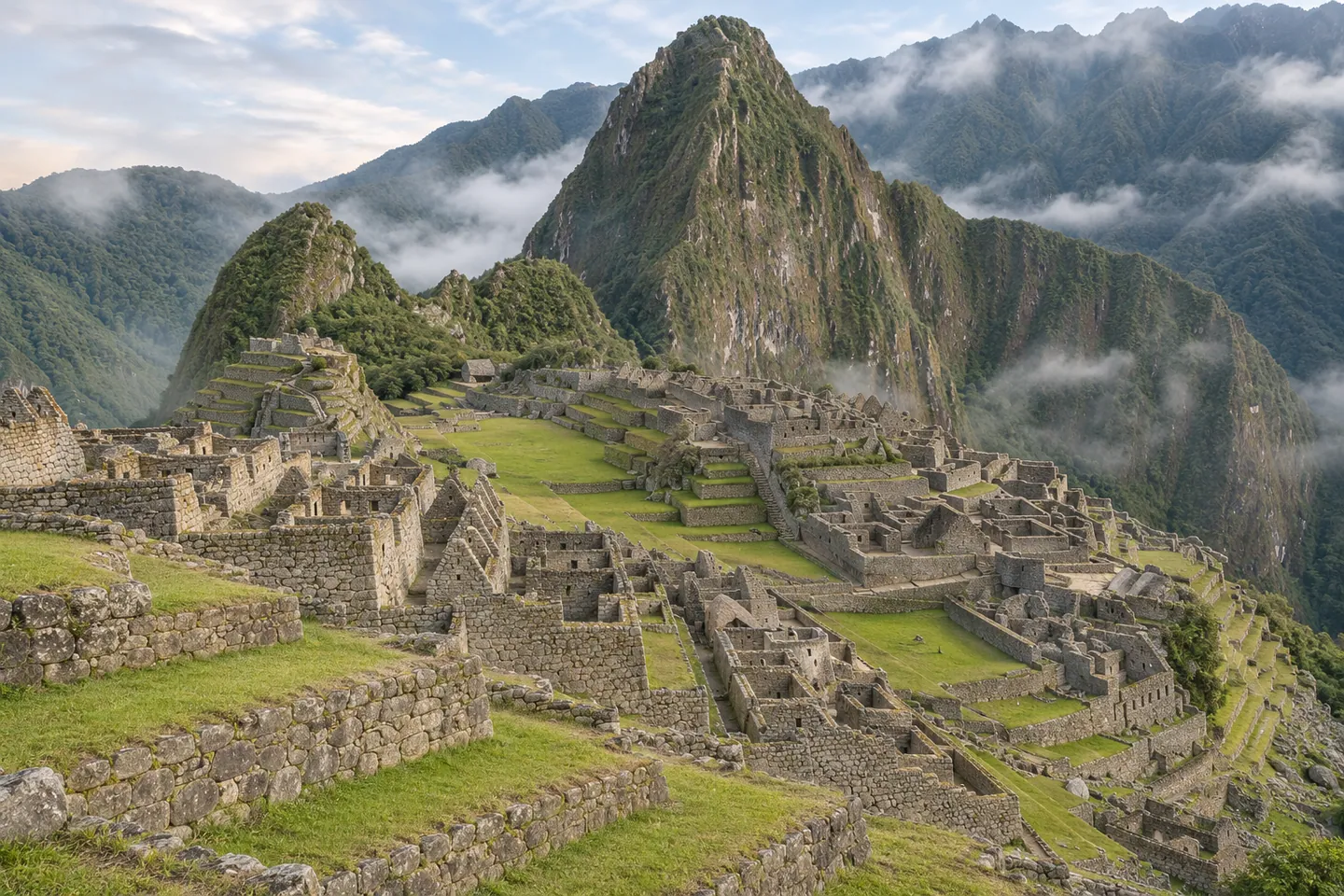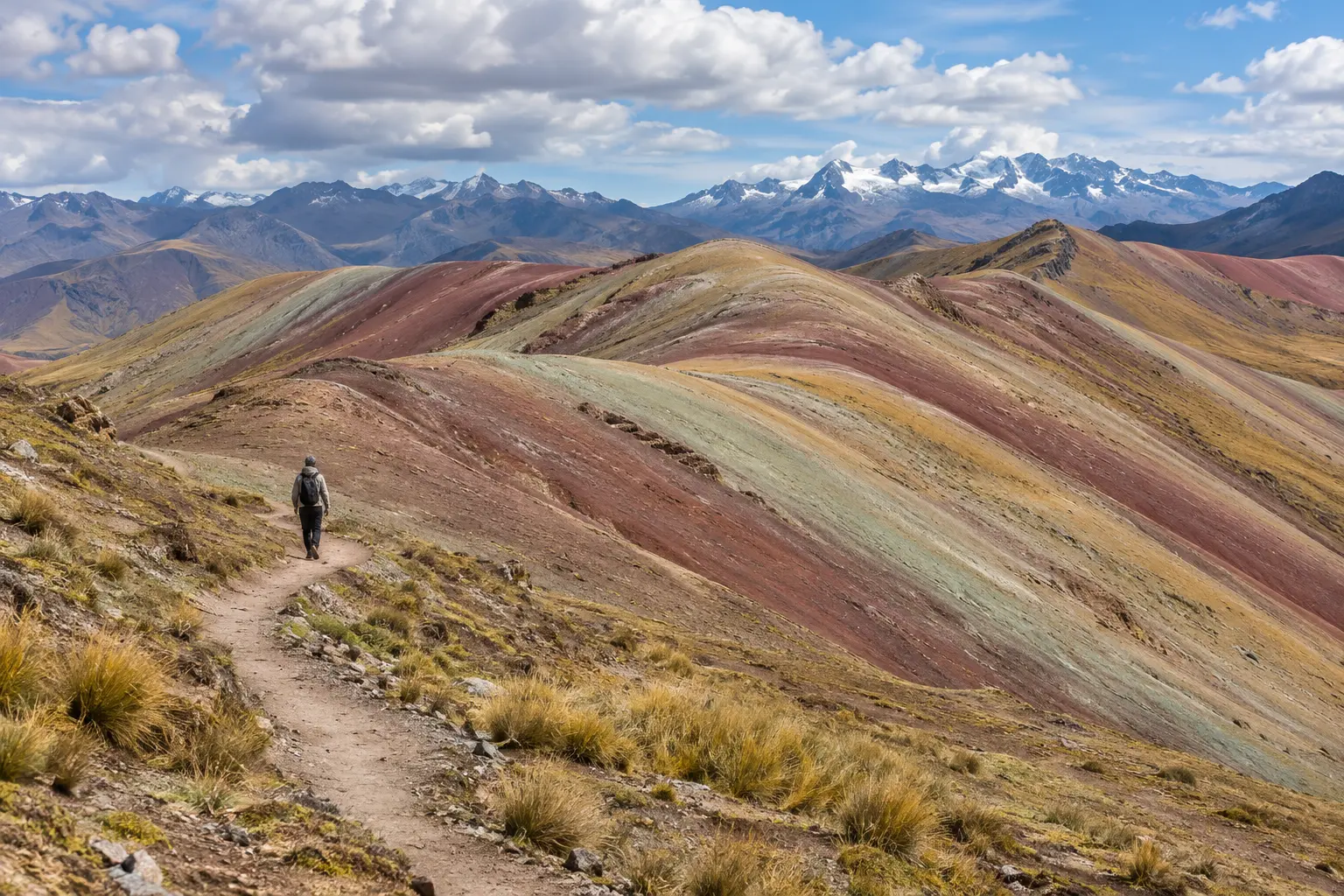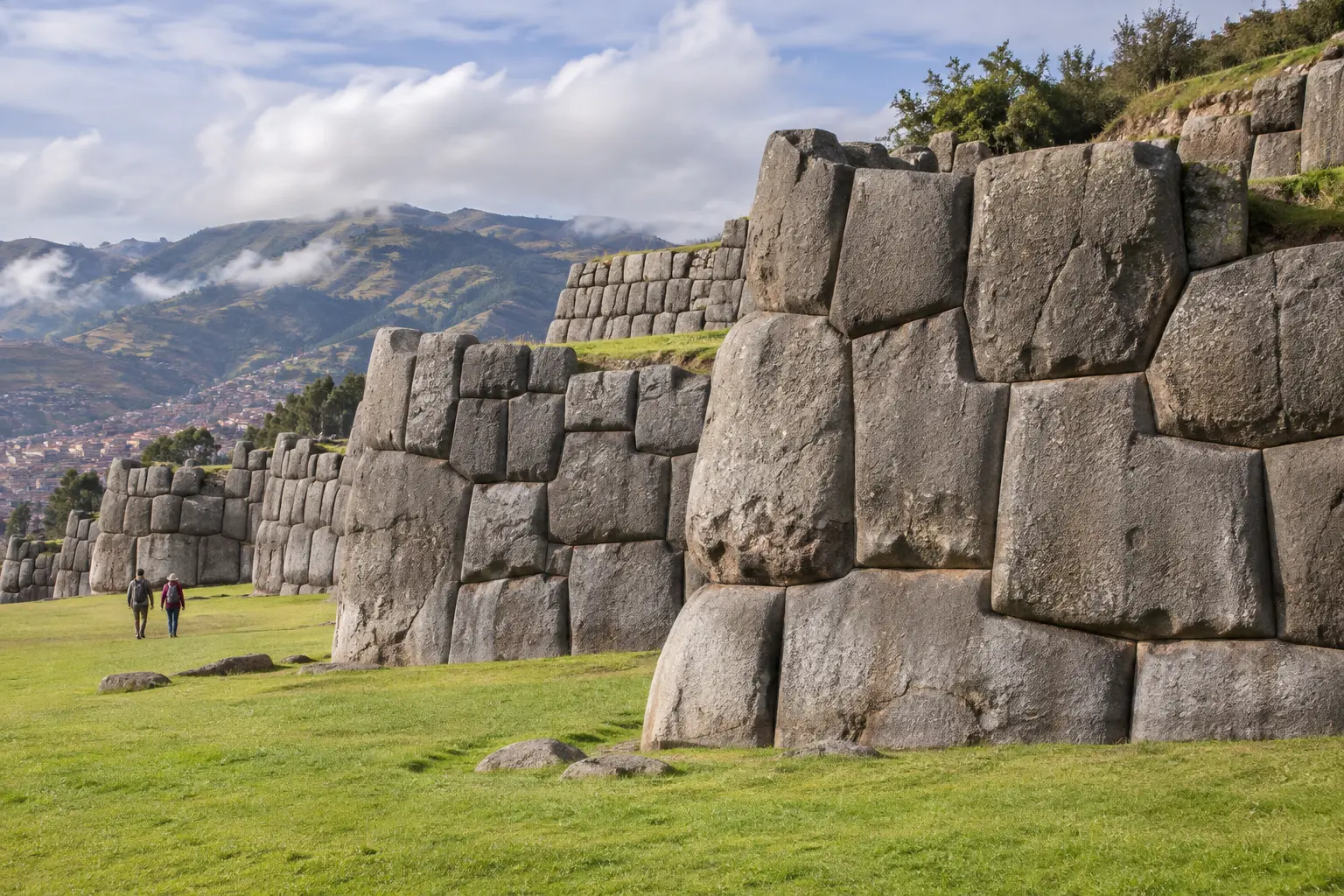
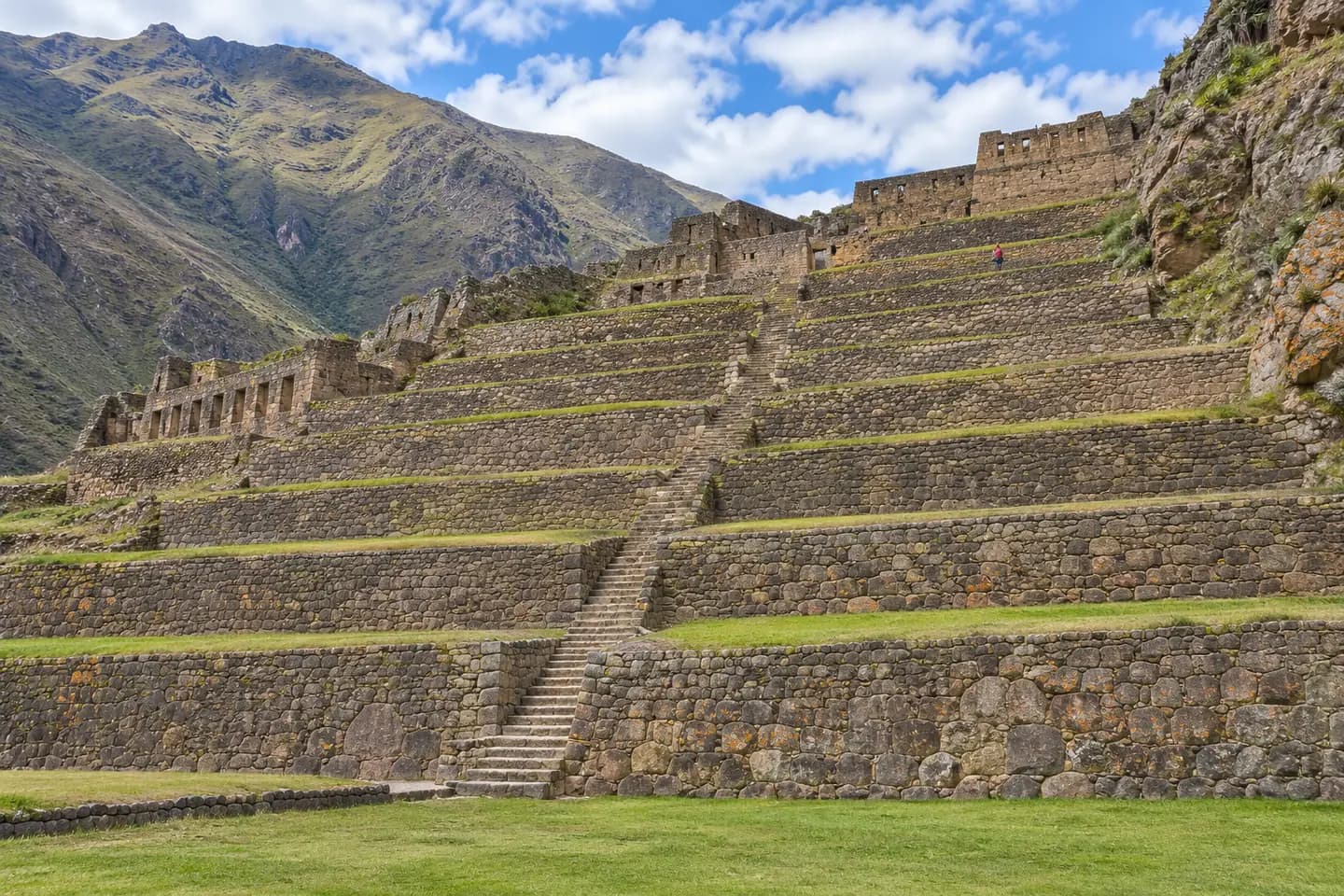
Start with the archaeological park and the old town. Add the Pinkuylluna hillside only if it is open, you have time and the trail suits your group. If you have a very early train to Machu Picchu, consider staying the previous night instead of compressing sightseeing and a long transfer into the same morning.
Choose a plan based on time in town, not train departure
Plan backward from the station reporting time printed by your operator. Deduct the time to collect luggage, walk or ride to the station, and allow for delays. The remainder is your sightseeing window. If you are coming from Cusco that day, also deduct the road transfer. A visit advertised as “a half day” does not include all those steps unless the itinerary says so.
| Time in town | A good plan | What to leave for another day |
|---|---|---|
| Less than two hours before check-in | Walk part of the old town or have an unhurried meal near your luggage. | An uphill visit that leaves no spare time. |
| Half a day, with the connection protected | Visit the archaeological park, then walk the old town if time allows. | A second hillside hike or distant Sacred Valley sites. |
| A full day | Visit the park, eat in town and explore Pinkuylluna only if access and conditions are suitable. | An early return connection with no buffer. |
| A night in town | Separate the archaeological visit from an early train or use the next morning for town. | Two consecutive bookings linked by a very tight transfer. |
Visit the Ollantaytambo archaeological park
The terraces are the best place to begin because you can read the site from the ground up: long retaining walls, agricultural platforms and stone stairs that connect different levels. The upper monumental area is a separate effort from a walk near the entrance. Decide how much climbing everyone wants before you commit to the ascent, especially if you are arriving from a lower elevation the same day.
The Cusco cultural authority’s park page identifies an approximately 35-minute short visit route on level ground, with a ramp at the entry. This is not a statement that the entire complex is level or accessible. If a shorter route is important, ask staff about conditions and the exact accessible section at the entrance, before buying a plan that assumes the upper terraces.
The same authority gives the elevation at about 2,860 m (9,380 ft). Take the stairs at a comfortable pace, step aside only where it is allowed and do not climb the walls. If it rains, treat the descent as a separate part of your schedule rather than budgeting the same time as for a dry walk.
Walk the old town without turning it into a checklist
Start near the main square and spend some time in the narrow streets. Look for stone foundations, water channels and the contrast between the valley floor and the slopes you will see from the park. These are working streets and residential doorways, not a museum set. Leave space for people to pass and ask before photographing anyone.
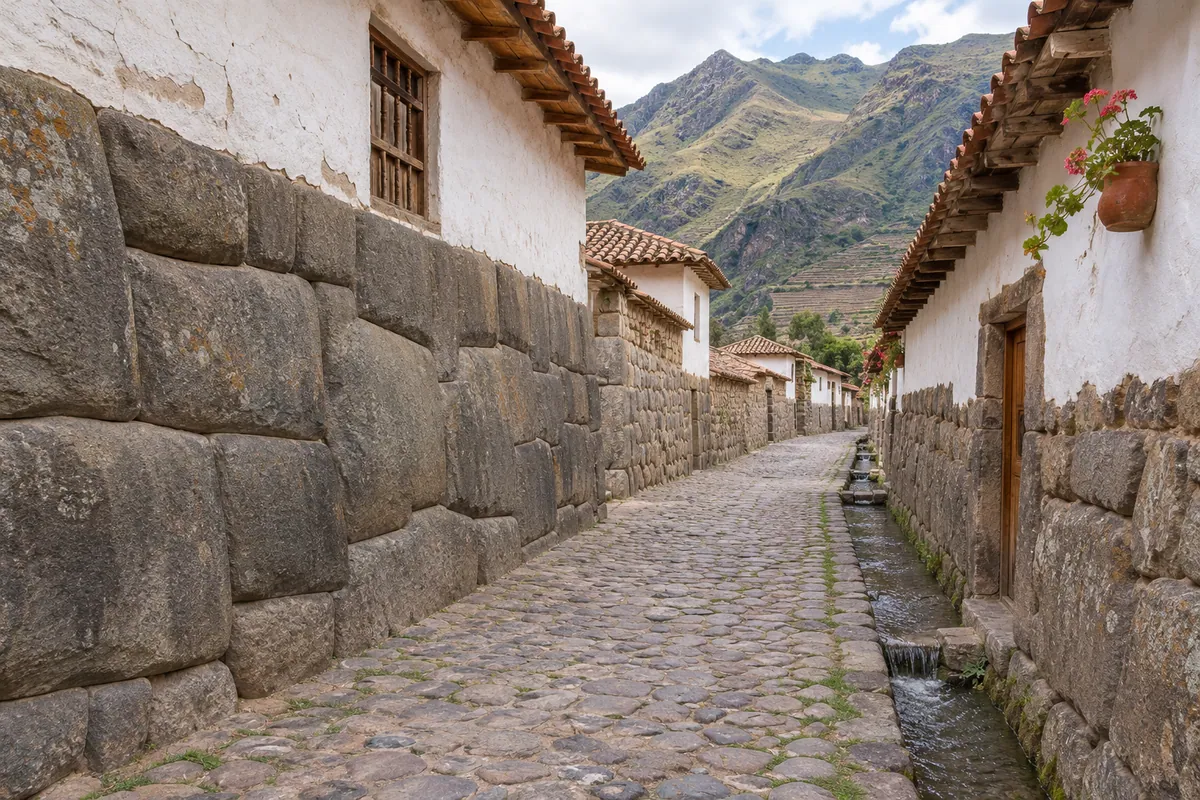
Pinkuylluna: a second viewpoint, not a mandatory stop
The municipality describes Pinkuylluna as a hillside sector opposite the monumental park, with structures associated with storage. Its position gives a different angle on the town and the terraces. Check access and trail conditions locally; skip the climb if the path is wet, daylight is short or your group is already tired.
Do not plan around a fee, opening time or an online photo that you have not verified for the day. If you only have time for one archaeological visit, make it the main park and use any extra time for the town instead of rushing between two slopes.
Which tourist ticket do you need for the ruins?
The official COSITUC tariff lists Ollantaytambo under the Cusco Tourist Ticket’s Sacred Valley circuit, along with Pisac, Chinchero and Moray. Compare the partial Circuit III ticket with the full pass by the number of sites you will actually visit and the pass validity you need. If you are visiting Machu Picchu separately, remember that this pass is not your citadel entrance.
Our Cusco Tourist Ticket guide explains how to choose by itinerary instead of buying the longest pass by default. When you book a guided visit, ask whether entry is included or needs to be purchased separately and how that affects the meeting time.
From Cusco to Ollantaytambo, then onward by train
If you are coming directly from Cusco
The cultural authority lists paved approaches via Chinchero and via Pisac. Decide whether the road trip itself is part of your Sacred Valley itinerary or just a transfer. Stops are useful when you have the day; if you need an early train, do not assume you can add a photo stop or another archaeological site without changing the booking window.
Before you board
- Read the station name and check-in instructions on your own ticket. Ollantaytambo and other departure points are not interchangeable.
- Make a luggage plan for the ruins and compare your bags with the rail operator’s allowances before departure.
- Confirm the separate Machu Picchu entrance and transfer from Machu Picchu Pueblo to the site.
- Keep the return train and onward road transfer together in your plan, especially if you arrive after dark.
Check PeruRail’s station information when traveling with that operator. To compare the whole journey, see how to get from Cusco to Machu Picchu or review an ANWAY two-day train itinerary. This guide uses AI-generated illustrations, not photographs from a tour departure.
Frequently asked questions about Ollantaytambo
Is Ollantaytambo worth visiting if I am taking the train?
Yes, if you protect your check-in and transfer time. For a short stop, choose the town or the main park, not both the park and a second hillside walk.
Is there a route without the long climb at the ruins?
The cultural authority lists a short level route with an entry ramp. Ask at the park which section is available rather than assuming upper areas are step-free.
Does the Cusco Tourist Ticket include Machu Picchu?
No. The Sacred Valley Circuit III covers Ollantaytambo and other listed valley sites. Machu Picchu citadel admission is a separate purchase.
Should I stay overnight in Ollantaytambo?
An overnight stop can separate your visit from an early train. If you have a flexible later departure and enough protected time in town, a daytime visit may be simpler.